
Mental Health
The Dyot Foundation is deeply committed to bridging the global mental health gap through meaningful collaboration, compassion, and evidence-based action. By partnering with institutions across the United States and around the world, the foundation works to raise awareness, conduct community-centered programs, and support research that drives real, lasting change.
Dyot’s mission spans the full spectrum of mental well-being, addressing the unique needs of psycho-oncology patients, advancing women’s, men’s, and youth mental health, and promoting holistic care that nurtures both emotional and physical resilience.
With initiatives in corporate wellness and community health, the foundation strives to create inclusive, accessible pathways to support, ensuring every individual has the opportunity to heal, grow, and thrive.
Psycho-Oncology
Mental health disorders are significantly more common in cancer patients than in the general population, affecting roughly 20% to 40% of individuals, with prevalence rising alongside disease severity and treatment burden. About one-third of patients in acute care settings experience some form of mental health condition
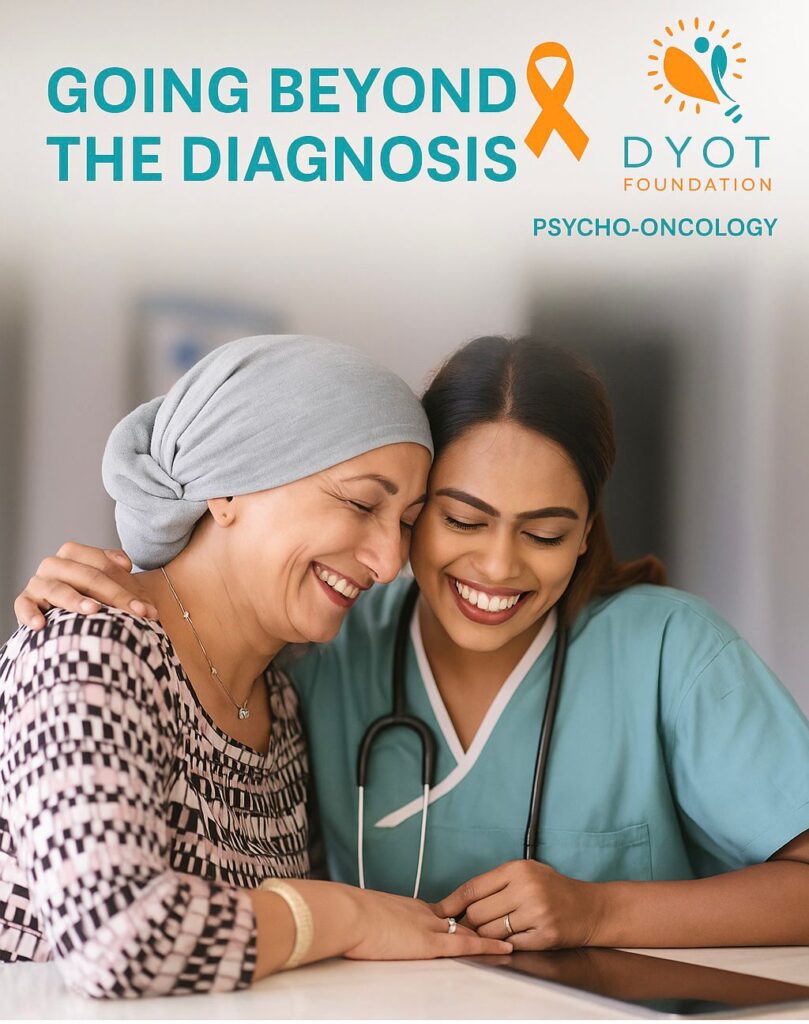
One critical area of focus for the Dyot Foundation is supporting cancer patients, who often face overwhelming physical, emotional, and psychological challenges throughout their journey. The emotional toll of a cancer diagnosis ranging from anxiety and depression to social isolation and fear, can significantly impact a patient’s ability to cope and heal.
Recognizing this, Dyot Foundation is deeply committed to addressing the mental health needs of cancer patients and their families.
Through targeted advocacy, educational initiatives, and specialized training programs, the Foundation collaborates with leading oncologists, cancer researchers, institutions, and social change-makers to create a strong support system.
These efforts aim to not only raise awareness but also to provide compassionate care, mental health interventions, and access to credible information, ensuring that no one battles cancer alone.
Mental Health for All
Mental health challenges vary by gender and age, with youth facing a crisis, women experiencing higher rates of common disorders but men dying by suicide more often, and both genders often struggling with unique societal pressures, leading to underreporting or unhealthy coping mechanisms like substance abuse, highlighting the need for tailored, accessible support focusing on connection, healthy expression, and breaking stigmas.
Youth Mental Health (A Crisis Point)
- High Prevalence: A significant percentage of adolescents experience mental health issues, with rates increasing with age (13-18).
- Barriers: Social isolation, lack of connection, academic pressure, and struggles with identity impact youth.
- Support Needed: Schools, parents, and healthcare providers play crucial roles in early intervention, fostering positive relationships, and promoting emotional regulation skills.
Women's Mental Health (Higher Disorder Rates)
- Higher Diagnoses: Women have higher rates of common mental health conditions like depression and anxiety..
- Caregiving Burden: Often bear the primary responsibility for caring for others, leading to potential self-neglect and burnout.
- Unique Stressors: Hormonal changes, societal pressures, and trauma can uniquely affect women's mental well-being.
Men's Mental Health (The "Silent Crisis")
- Underreporting: Men are less likely to seek help, often due to cultural norms of stoicism and self-reliance, leading to misdiagnosis or hidden suffering.
- Maladaptive Coping: High rates of substance abuse (alcohol/drugs), gambling, and risk-taking as ways to mask emotional pain.
- Suicide Risk: Despite lower rates of diagnosed depression, men die by suicide at significantly higher rates, indicating severe, untreated distress.
- Masculinity Norms: Traditional masculine ideals (self-reliance, dominance) are linked to poorer mental health outcomes.
Key Solutions & Strategies
- Break the Silence: Encourage open conversations and sharing experiences.
- Promote Prosocial Behaviors: Foster genuine connection, empathy, and supportive environments.
- Gender-Informed Care: Develop treatments that address unique biological and social factors for men and women.
- Accessible Support: Utilize digital platforms, community programs, and school-based initiatives for early intervention.
- Healthy Coping: Teach and promote healthy stress management over avoidance or addiction.